Building Your Trading Routine: Structure and Consistency

Success in active trading isn't just about making the right calls—it's about building a sustainable routine that keeps you sharp, focused, and continuously improving. The most successful traders on Axiom Trade understand that consistency in their daily habits directly translates to consistency in their trading results.
A well-structured trading routine eliminates guesswork, reduces emotional decision-making, and creates a framework for continuous improvement. Whether you're trading full-time or managing positions around other commitments, establishing effective daily habits is essential for long-term success.
Pre-Market Preparation: Setting the Stage
Your trading day should begin well before the market opens. Pre-market preparation is where successful traders gain their edge, gathering information and formulating strategies before the opening bell.
Essential Pre-Market Checklist
- Review overnight market movements and global indices
- Check economic calendar for scheduled announcements
- Analyze pre-market movers and volume leaders
- Review your watchlist and update price alerts
- Set daily risk parameters and position size limits
- Review previous day's trades and journal entries
Start your day at least 30-60 minutes before market open. This buffer allows you to absorb information without rushing and enter the trading session with a clear plan. Use Axiom Trade's pre-market data tools to identify potential opportunities and gauge market sentiment before the opening bell.

Session Planning: Structure Your Trading Day
Not all trading hours are created equal. Understanding market dynamics throughout the day helps you allocate your attention and capital more effectively.
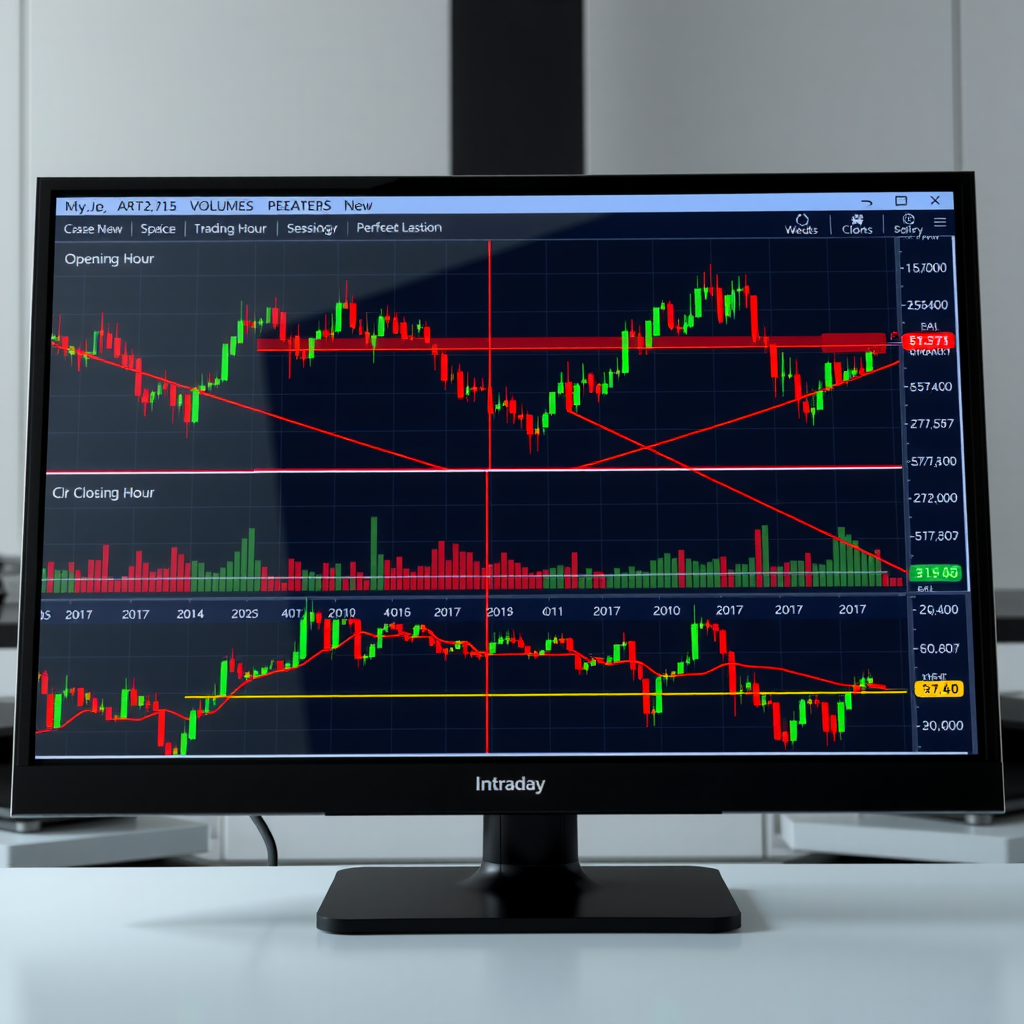
Market Open (9:30 AM - 10:30 AM ET)
The first hour typically sees the highest volume and volatility. Many traders focus their most active trading during this window, capitalizing on the momentum from overnight news and pre-market activity. However, this period also carries increased risk due to wider spreads and rapid price movements.
For new traders, consider observing the first 15-30 minutes before entering positions. This allows you to gauge the day's direction and identify which stocks are showing genuine momentum versus those experiencing temporary volatility.
Mid-Day Session (10:30 AM - 2:00 PM ET)
Volume typically decreases during mid-day hours, and price action often becomes choppier. Many active traders use this time for analysis, position management, and preparation rather than aggressive new entries. This is an excellent period to review your morning trades, update your journal, and refine your afternoon strategy.
Power Hour (3:00 PM - 4:00 PM ET)
The final hour often sees increased volume as institutional traders adjust positions and day traders close out. This can create opportunities, but also requires careful risk management as end-of-day volatility increases.
Trade Journaling: Your Path to Improvement
A trading journal is perhaps the most underutilized tool among retail traders, yet it's one of the most powerful. Successful traders on Axiom Trade maintain detailed records not just of their trades, but of their thought processes, emotions, and market observations.
What to Record in Your Journal
Trade Mechanics
- Entry and exit prices
- Position size and risk amount
- Time of entry and exit
- Stop loss and target levels
Trade Psychology
- Reasoning behind the trade
- Emotional state during execution
- Adherence to trading plan
- Lessons learned
Review your journal weekly to identify patterns in your trading behavior. Are you more successful with certain setups? Do you tend to exit winners too early? Are there specific times of day when you make poor decisions? These insights are invaluable for refining your approach.
Axiom Trade's platform includes integrated journaling tools that automatically capture trade data, allowing you to focus on recording your observations and analysis rather than manual data entry.
Post-Market Analysis: Learning from Every Session
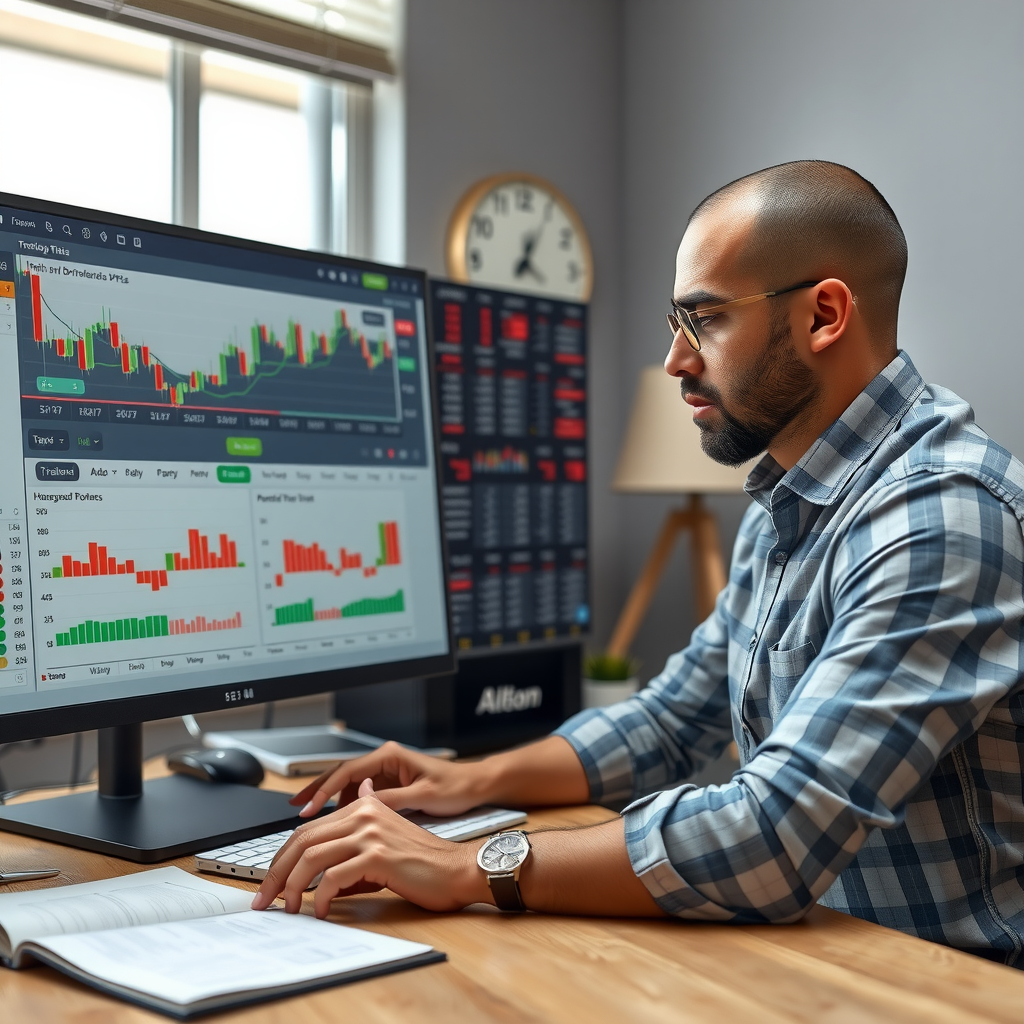
The work doesn't end when the market closes. Post-market analysis is where you transform daily experiences into long-term improvement. Dedicate at least 30 minutes after market close to review the day's activity.
Daily Review Process
Performance Metrics:Calculate your win rate, average win/loss ratio, and total P&L. Track these metrics over time to identify trends in your performance. Are you improving? Are certain strategies working better than others?
Trade Execution Analysis:Review each trade individually. Did you follow your plan? Were your entries and exits optimal? What could you have done differently? Be honest but not overly critical—the goal is improvement, not perfection.
Market Observation:Note significant market movements, sector rotations, or unusual activity. Understanding broader market context helps you anticipate future opportunities and risks.
Strategy Refinement:Based on your observations, adjust your watchlist, refine your entry criteria, or modify your risk parameters for the next session. Small, incremental improvements compound over time.
Maintaining Focus and Avoiding Burnout
Active trading is mentally demanding. Even with a solid routine, it's essential to maintain your physical and mental well-being to sustain long-term performance.
Wellness Practices for Traders
Take Regular Breaks:Step away from screens every 60-90 minutes. Even a five-minute break can help reset your focus and prevent decision fatigue.
Set Trading Hours:Establish clear start and end times for your trading day. Avoid the temptation to monitor positions constantly outside these hours.
Physical Activity:Regular exercise improves mental clarity and stress management. Many successful traders incorporate morning workouts into their pre-market routine.
Weekend Detachment:Use weekends to completely disconnect from markets. This mental break is crucial for maintaining long-term enthusiasm and preventing burnout.
Adapting Your Routine Over Time
Your trading routine should evolve as you gain experience and as market conditions change. What works during high-volatility periods may need adjustment during quieter markets. Similarly, as your account grows and your strategy matures, your routine should reflect these changes.
Periodically assess your routine's effectiveness. Are you spending time on activities that genuinely improve your trading, or are you just going through the motions? Be willing to experiment with different approaches and refine your process based on results.
Building Consistency Through Discipline
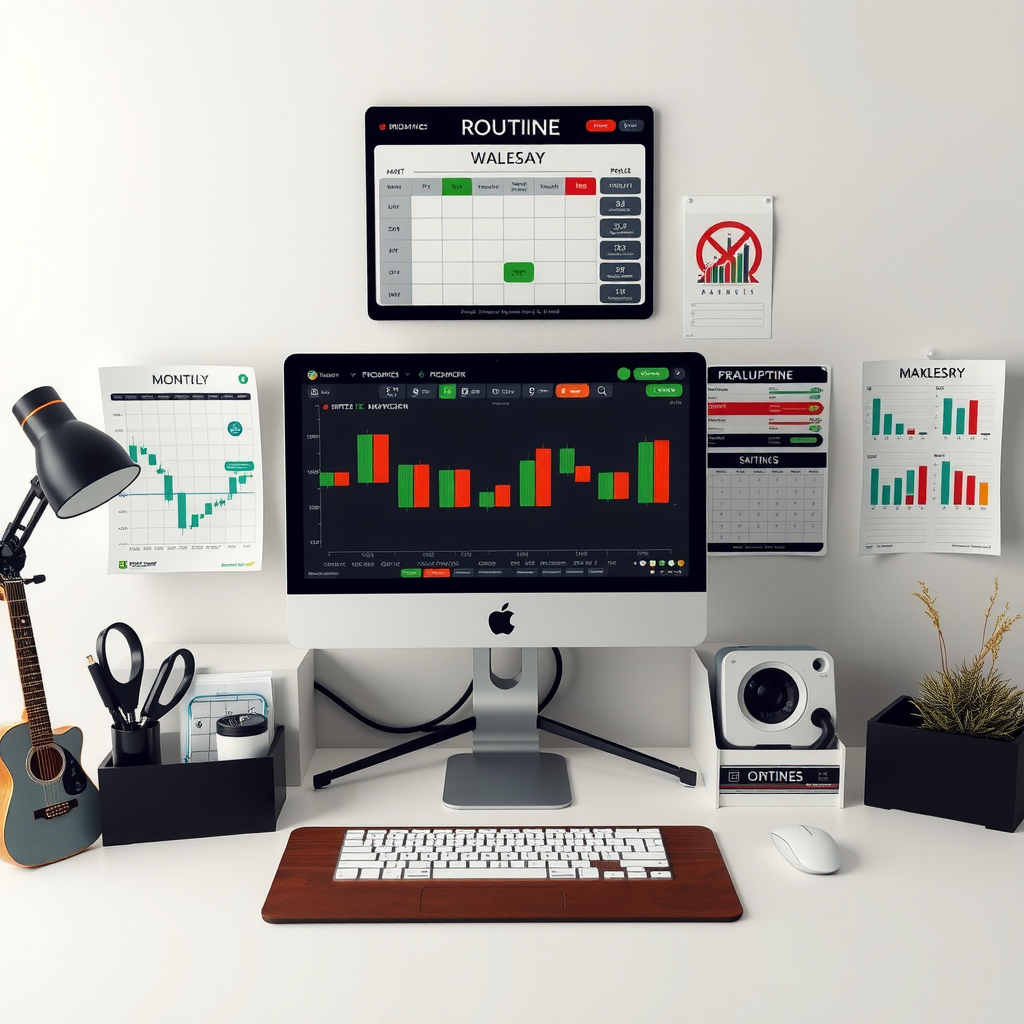
The most challenging aspect of maintaining a trading routine isn't creating it—it's sticking to it day after day, especially during losing streaks or when motivation wanes. Discipline separates consistently profitable traders from those who experience sporadic success.
Start small if you're new to structured routines. Don't try to implement every best practice immediately. Begin with core elements like pre-market preparation and daily journaling, then gradually add more sophisticated practices as these become habitual.
Track your adherence to your routine just as you track your trading performance. Did you complete your pre-market checklist? Did you journal all your trades? Did you conduct your post-market review? Consistency in process leads to consistency in results.
Leveraging Technology for Routine Management
Modern trading platforms like Axiom Trade offer tools that can streamline your routine and ensure you don't miss critical steps. Automated alerts can remind you of economic announcements, position reviews, or journal entries. Performance analytics provide instant feedback on your trading metrics without manual calculation.
However, technology should support your routine, not replace critical thinking. Use automation for data collection and reminders, but maintain personal involvement in analysis and decision-making. The insights you gain from hands-on review are irreplaceable.
The Compound Effect of Daily Habits
Small improvements in your daily routine compound over time into significant performance gains. A trader who spends an extra 15 minutes on pre-market preparation gains over 60 hours of additional analysis time per year. Someone who diligently journals every trade accumulates hundreds of data points for pattern recognition and strategy refinement.
The traders who achieve long-term success on Axiom Trade aren't necessarily the ones with the most sophisticated strategies or the largest accounts. They're the ones who show up every day, follow their process, learn from their mistakes, and continuously refine their approach.
Your trading routine is your competitive advantage. While others chase hot tips or react emotionally to market movements, you'll have a systematic approach that keeps you focused, disciplined, and continuously improving. Build your routine, stick to it, and watch as consistency transforms your trading results.
Remember: successful trading isn't about making perfect decisions every time—it's about making consistently good decisions over time. Your routine is the framework that makes this possible.